Design System Library
Foundations · Tokens · Components · Layout Structure · Scalability
The Duela design system was built as a scalable component library to support fast iteration, visual consistency, and predictable user interactions. Components were structured using atomic design principles and aligned to a unified typography scale, spacing system, and layout logic. This ensured design consistency across flows while enabling rapid prototyping and future feature expansion.
Foundations
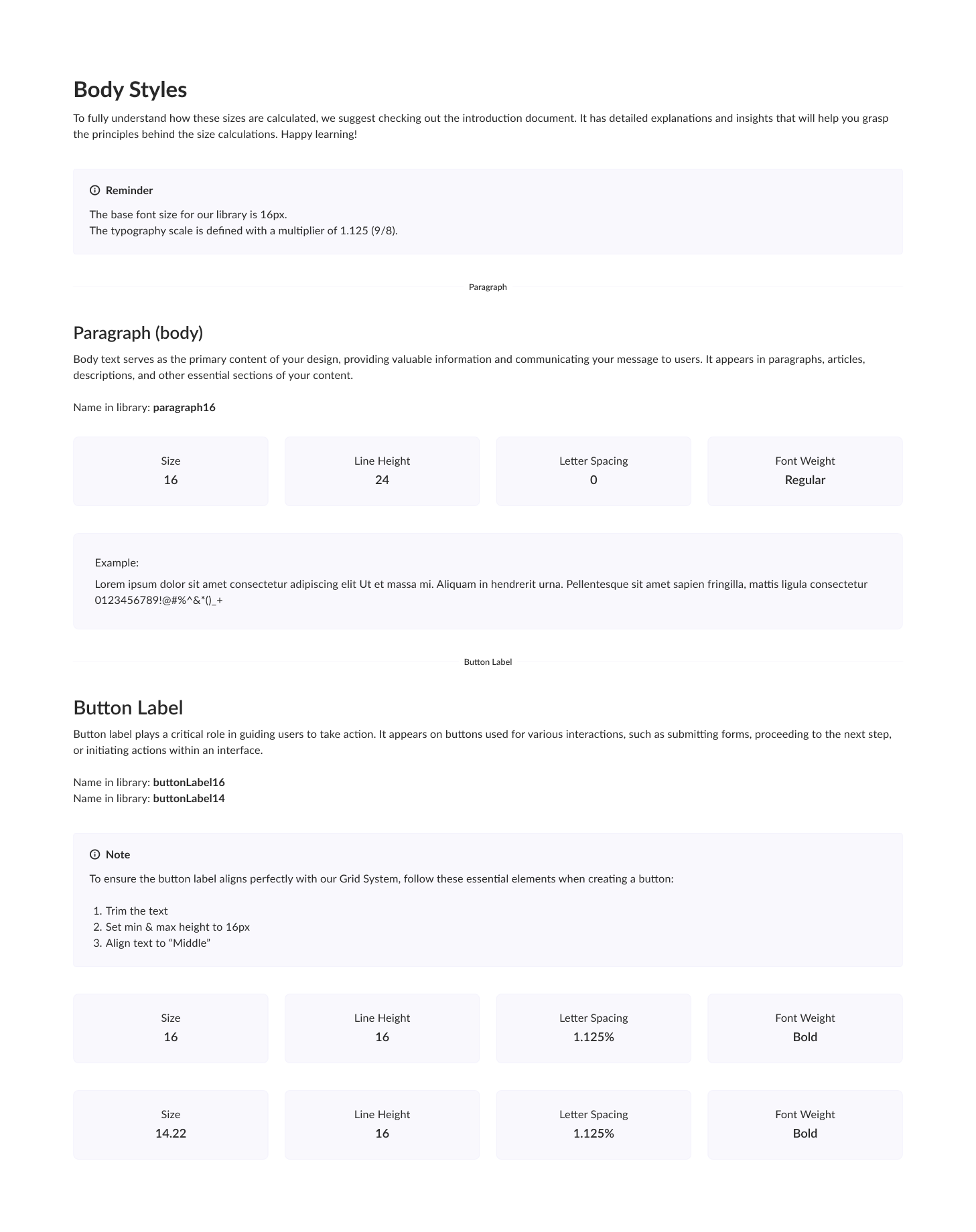
Typography · Grid · Spacing · Color · Iconography
The foundation layer defines the core design rules that ensure consistency, scalability, and usability across the entire product ecosystem.


Components
A modular component system ensuring consistency, usability, and scalability across the product experience. Components are built with defined states, behaviors, and interaction patterns to support clarity, accessibility, and long-term growth.


Design System Conclusion
This design system was built as a production framework, not a visual showcase. Every foundation and component is defined to reduce design friction, eliminate inconsistency, and create predictable interaction patterns across the product.